Cedar clearing and lot prep west of Georgetown — keep the oaks, lose the thicket
Ashe juniper takes every gap on Hill Country ground and hides the live oaks, the view and the fence. We mulch it in place or cut and haul it, flag and keep the trees worth keeping, and leave a lot that's ready to build, fence or graze.
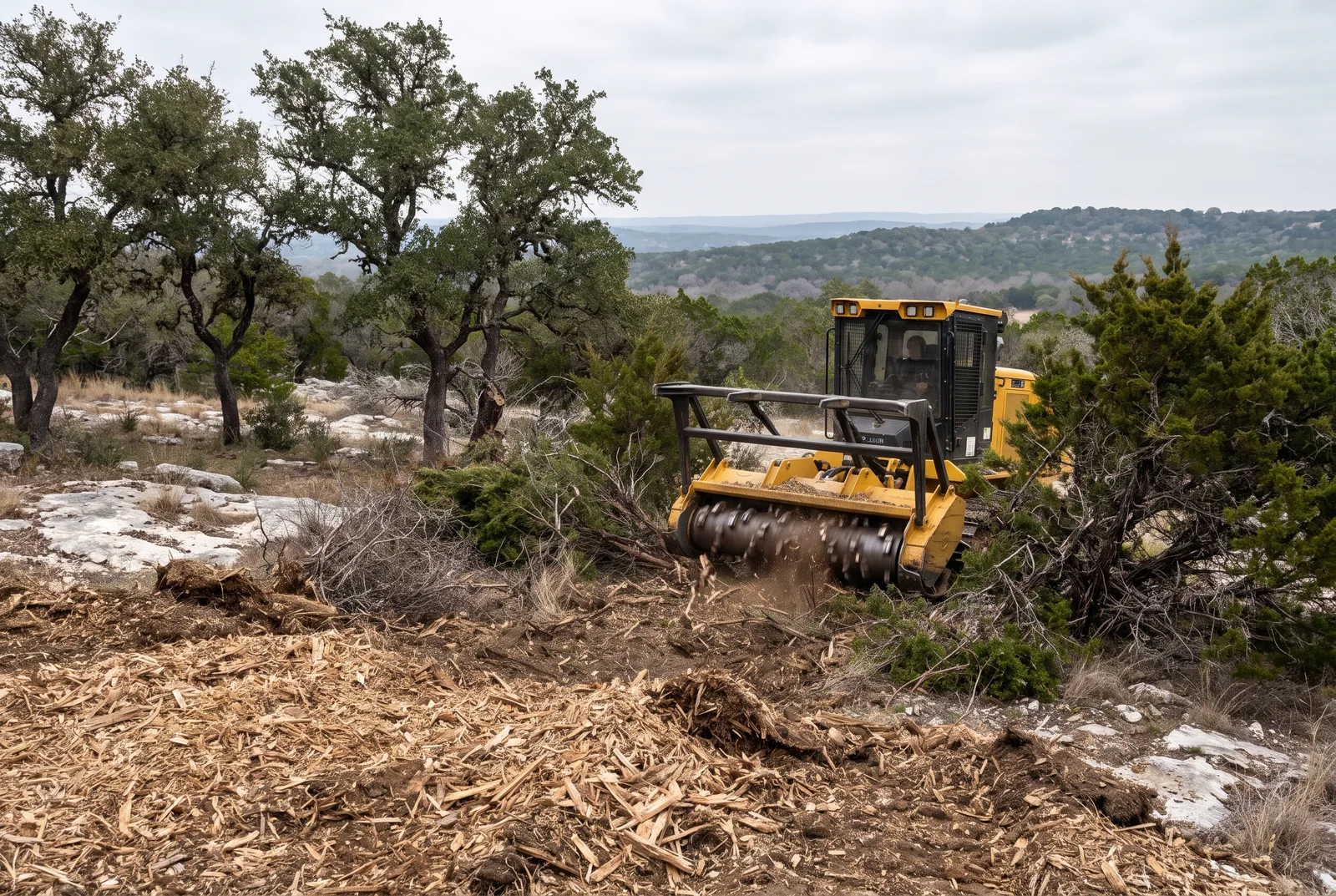
West of I-35 — Berry Creek, Andice, Florence, Liberty Hill, the acreage along Ronald Reagan Boulevard and Highway 195 — the ground is Edwards limestone and the tree that owns it is Ashe juniper, the "cedar" that gives half of Central Texas cedar fever every January. It's native, but it behaves like an invader: once the prairie fires stopped it crowded into every draw and hillside, shading out the live oaks and the grass, drinking the water that used to reach the springs, and turning a five-acre view lot into a wall. The code doesn't protect it at any size — UDC Chapter 8 excludes Ashe juniper, mountain cedar, hackberry, chinaberry, Chinese tallow and mesquite from Protected Tree status — which makes clearing it the easy part of a Hill Country build.
The right way to clear cedar is selectively. We walk the lot with you first, flag the live oaks, post oaks, cedar elms and the occasional Texas ash or escarpment black cherry worth keeping, and mark the Heritage-size oaks that need a permit if they were ever in the way. Then a forestry mulcher grinds the cedar in place into a mulch layer that holds the thin soil and knocks down regrowth, or a crew cuts and stacks it for hauling or burning where the county allows. Pad sites and driveways get cleared to bare ground; the rest is left as an oak savanna, which is what this country looked like before the cedar took over.
What's included
Walk-through & flagging
Keep trees marked, Heritage oaks measured, property lines and utilities located before a machine starts.
Forestry mulching
Cedar ground in place into a mulch bed — no burn pile, no haul, and the soil stays put.
Cut & haul
Cedar cut, stacked and hauled or chipped where mulching isn't wanted.
Selective thinning
Cedar out from under the oak canopy; the oaks, the understory natives and the grass left to recover.
View & fence-line clearing
Sight lines opened, fence lines cleared for a builder, and the cedar kept off the new fence.
Build-site prep
Pad, driveway and utility corridors cleared to grade, with the critical root zones of the keep trees fenced.
Cedar and lot clearing cost in Williamson County
| Job | Typical price | Notes |
|---|---|---|
| Forestry mulching, light cedar | $1,500 – $2,500 per acre | Scattered cedar, easy ground |
| Forestry mulching, dense cedar thicket | $2,500 – $4,500 per acre | Wall-to-wall, big trunks |
| Selective cedar thinning under oaks | $1,800 – $3,800 per acre | Hand and machine |
| Cut, stack & haul (per acre) | $3,000 – $6,000 | Where mulch isn't wanted |
| Pad site & driveway clearing | $1,200 – $4,000 | By area and access |
| Fence-line clearing | $4 – $9 per linear foot | Both sides, ready for the fence crew |
These are 2026 Williamson County ranges so you can budget. Your written price is itemized — removal, rigging or crane, hauling, stump grinding, any permit paperwork — and good for 30 days.
Recent work
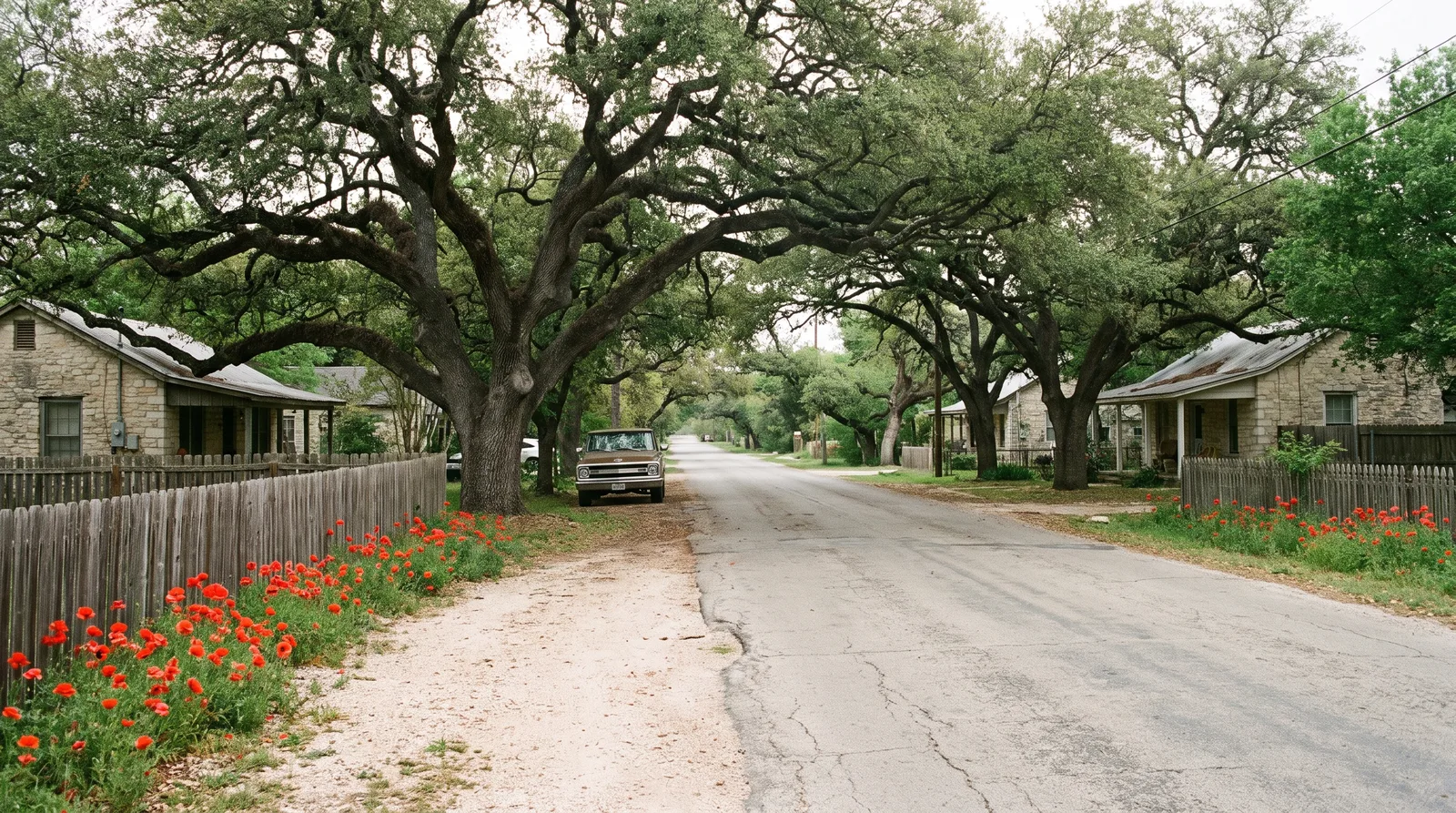
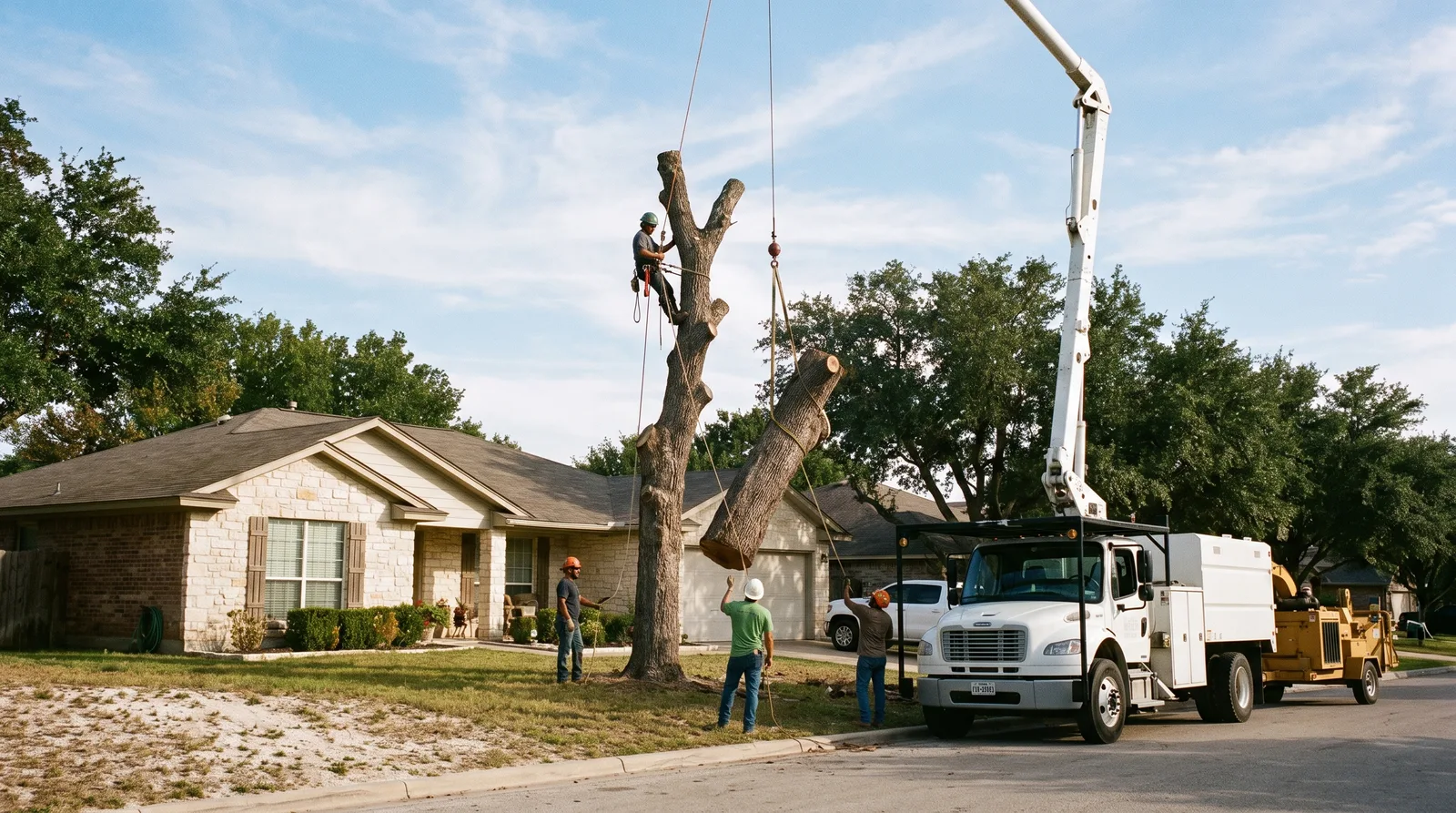
Questions we get about cedar & lot clearing
Do I need a permit to clear cedar in Georgetown?
Not for the cedar itself — Ashe juniper isn't a Protected or Heritage species under UDC Chapter 8 at any size. The rules kick in for the other trees on the lot: a live oak, post oak or cedar elm over 12 inches on a commercial site, or any Heritage species over 26 inches on any lot inside the city or ETJ, needs city approval before it comes out, and clear-cutting a non-exempt lot needs approval too. Outside the ETJ and on agricultural land the code doesn't apply. We map the keep trees and the permit trees before we start.
Mulching or hauling — which is better?
Mulching is faster and usually cheaper, leaves a mulch layer that protects the thin soil and slows regrowth, and there's no burn pile. Hauling is better when you want bare ground for a pad or a pasture you'll seed right away. Most acreage lots get a mix: mulched savanna, cleared pad.
Will clearing cedar bring back the springs and the grass?
Slowly, yes. Cedar intercepts a lot of rain in its canopy and litter; take it out and more water reaches the soil and the grass. Several Hill Country landowners have watched seeps come back after clearing. The oaks left standing grow noticeably faster once they're not competing with a thicket.
Can you clear around my live oaks without killing them?
Yes, if it's done carefully: no machine inside the critical root zone (about one foot of radius per inch of trunk diameter, per the city's own definition), no piling mulch or cut cedar against the trunks, and no cuts on the oaks in the February–June window. We fence the keep trees before the mulcher rolls.
Do you clear in Florence, Andice and Liberty Hill?
All the time — that's where most of the cedar is. We also work Bertram, Briggs and the Burnet County line on larger jobs.